
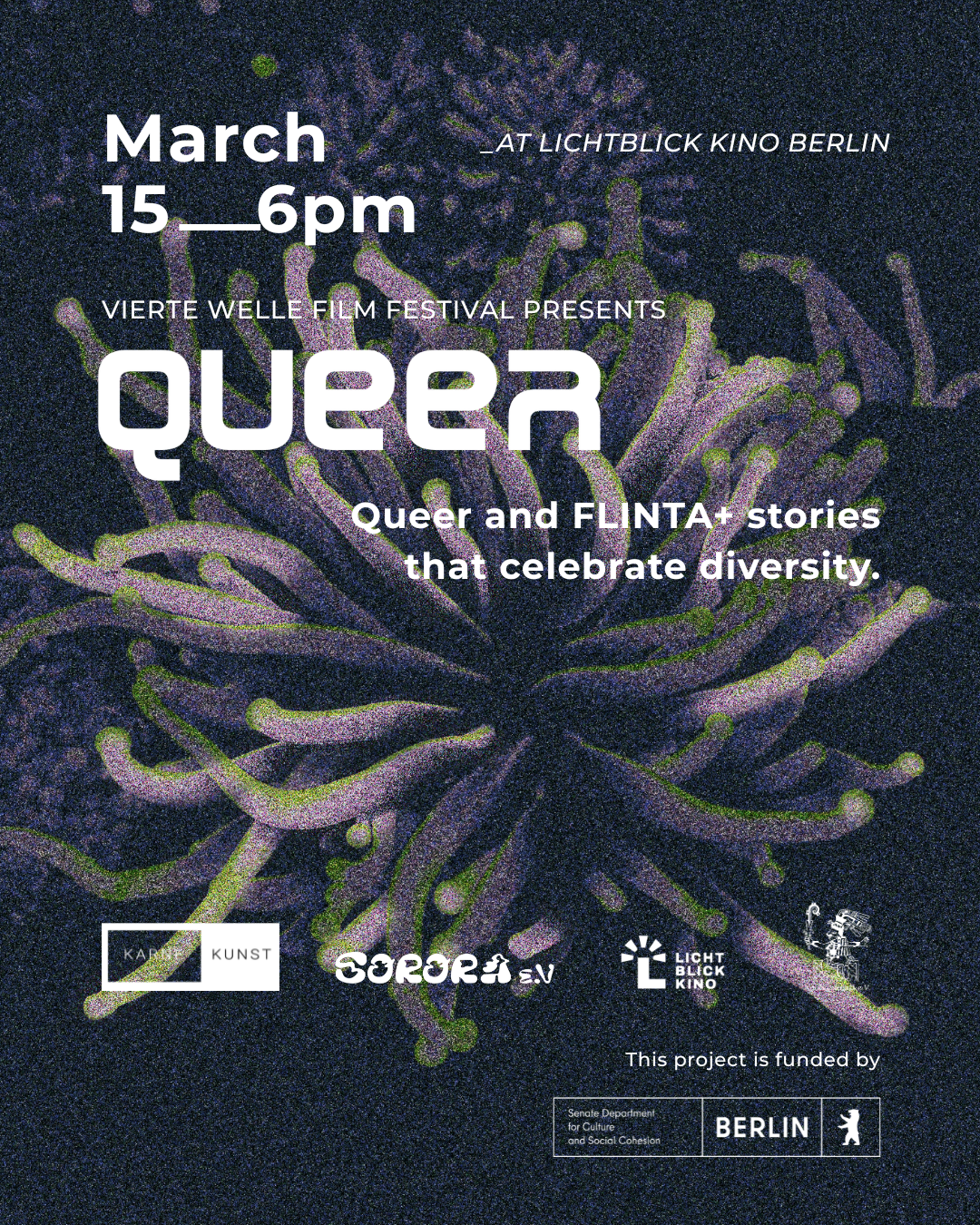
Saturday, 15 March, 6:00 pm
+ Q&A with directors
Curatorial Statement
by Ignacio Juricic
The films selected this year in the Queer category formally and thematically question sexual orientation, gender identity, community, sexuality, and pleasure. Through their images and sounds, they present bold, necessary, and celebratory explorations of our lives and communities.
The eight short films selected from Lebanon, Chile, Czechia, the USA, Spain, and France move across different genres such as fiction, documentary, experimental, and animation and explore with rebellion and pride the worlds they portray. Within them, intersections emerge between the celebration of the Arabic alphabet, cruising, pleasure and complicity during transition, a fantasy of a t4t romance and the tenderness of adolescent love, shared intimacies on social media, the search for a lost lesbian activism, and clashes with family and tradition. Altogether, these films present joyful, provocative, and defiant visions of what Queer culture is and can be.
SHORT FILMS

أبجد هوز / Abjad Hawaz
Lebanon, 5 min
director: Hadi Moussally
Abjad Ḥawaz (أبجد هوز) takes its name from the ancient ordering of the Arabic alphabet. Through the body of Salma Zahore, each letter is danced and embodied in the ruins of Barcelona. Blending fashion, music, poetry, and performance, the film reclaims a language often feared and misunderstood, turning it into a celebration of identity, resilience, and artistic freedom.
Our Joyful Endings
France, 6.07 min
director: La Fille Renne
Our Joyful Endings follows the diary of a trans-masculine person who sees his own and others’ views of his body change during his transition. Between desire, apprehension and questioning. From there, comfort grows with people who share this experience.

Mis-Angel
USA, 5.30 min
director: Wyatt Carson
Mis-Angel is a love story between two people who will never meet. A transgender girl explores an overlap of gender and sexual fantasy as she recalls a brief interaction with a stranger at a bus stop.
Bajo el Sol
Chile, 16.41 min
director: Paloma Aguilera
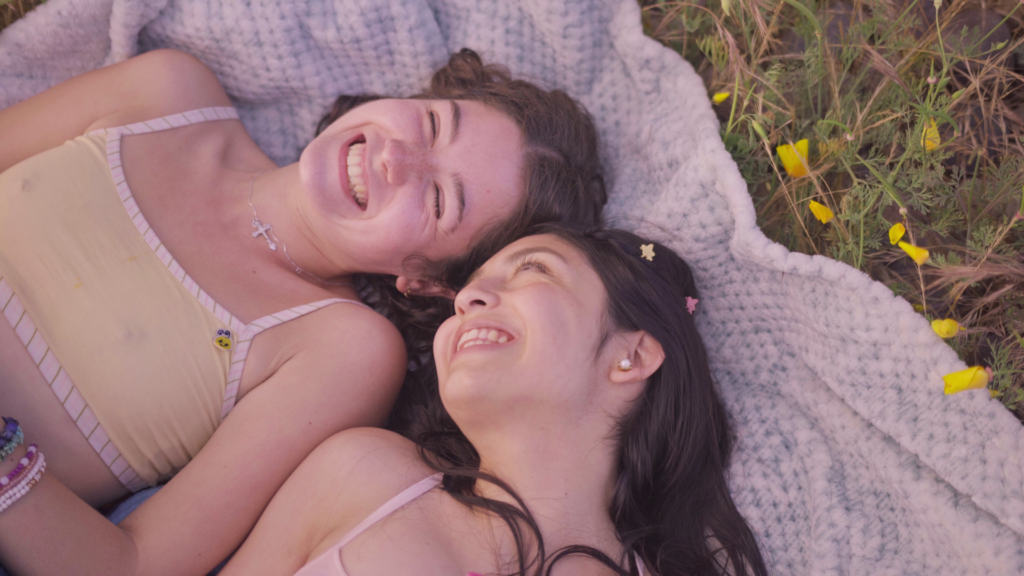
During Holy week, Martina visits her friend Vale at her country house. Martina and Vale immerse themselves in nature, sharing secrets, stealing cigarettes and experiencing their sexuality for the first time. Martina will sink into the quiet country life, where her feelings will blossom for Vale. Will Martina feel confident to explore her feelings for Vale, and will Vale feel the same for Martina?
Can you Breathe?
Czechia, 9.40 min
director: Lucie Nour Zpevakova
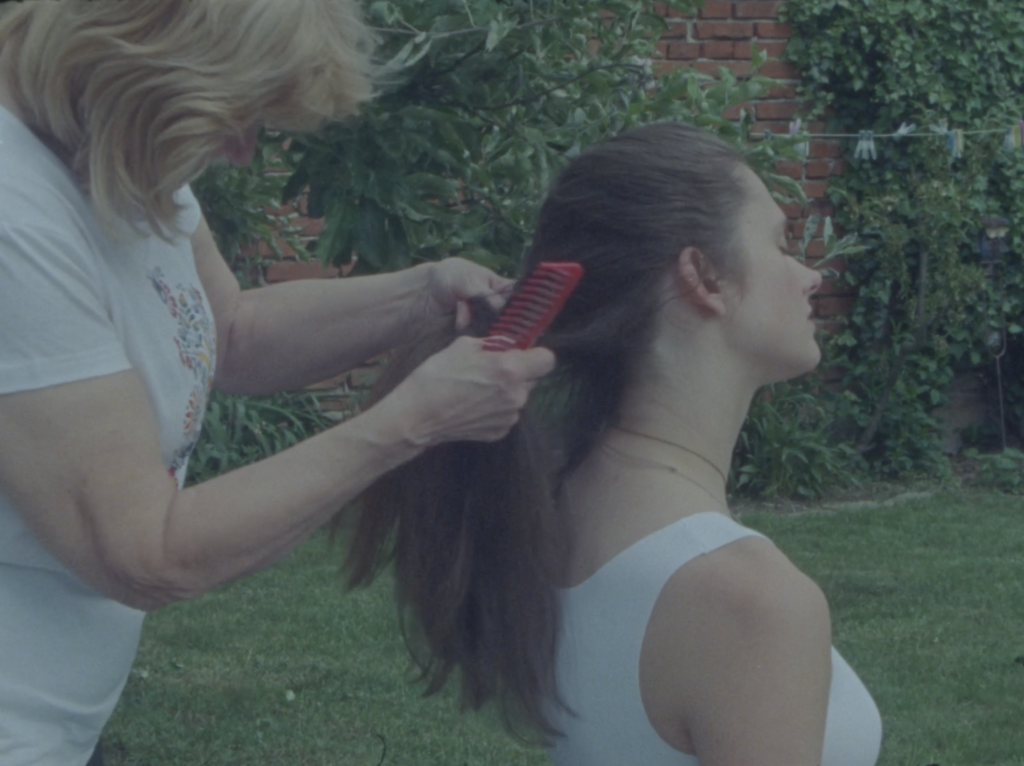
Between her traditional Moravian village and the freedom of Berlin, a young filmmaker navigates the tension between inherited roles and personal freedom. In the village, layers of folk costume are tightened around her by her aunt, and conversations at the family table during a greasy lunch — about gender, love, and even whether a hickey on her neck was done by a girl or a boy — create a chaotic soundscape, overwhelming her with the weight of family expectations.
Leather Graves
USA, 12 min
director: Malic Amalya
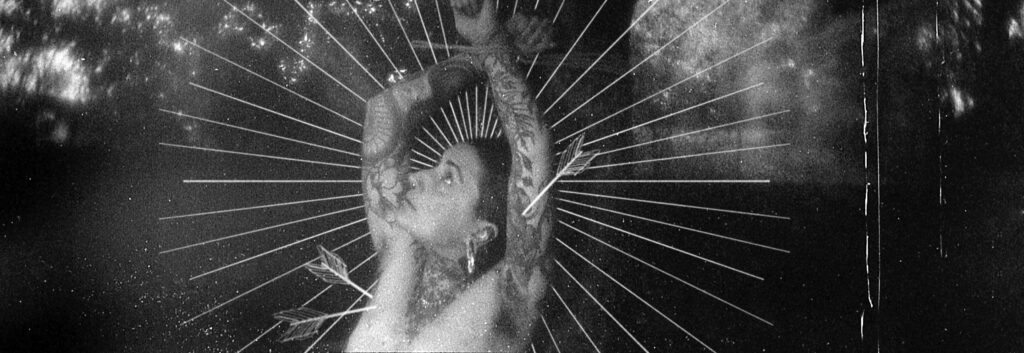
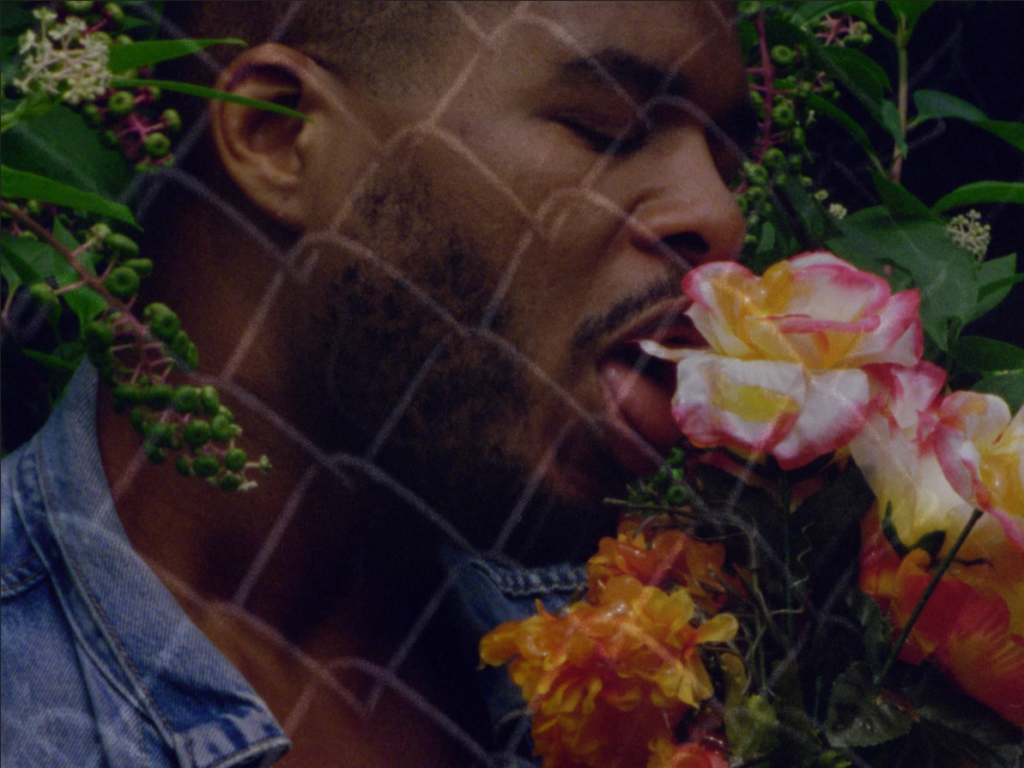
“Leather Graves” is an experimental 16mm film that explores the permeable boundaries between exile and ecstasy. Cruising amongst gravestones engraved with references to queer culture and sexuality, queers defy death by devouring candy-coated blossoms.
The epitaphs in “Leather Graves” were created by double-exposing inscriptions on gravestones (largely last names), using an in-camera double exposure technique with a Bolex camera and a matte-box.
The cast and crew are all trans, nonbinary, gender nonconforming, and/or femme queer people.
La Raiz
Spain, 7 min
director: Isa Saéz Pérez
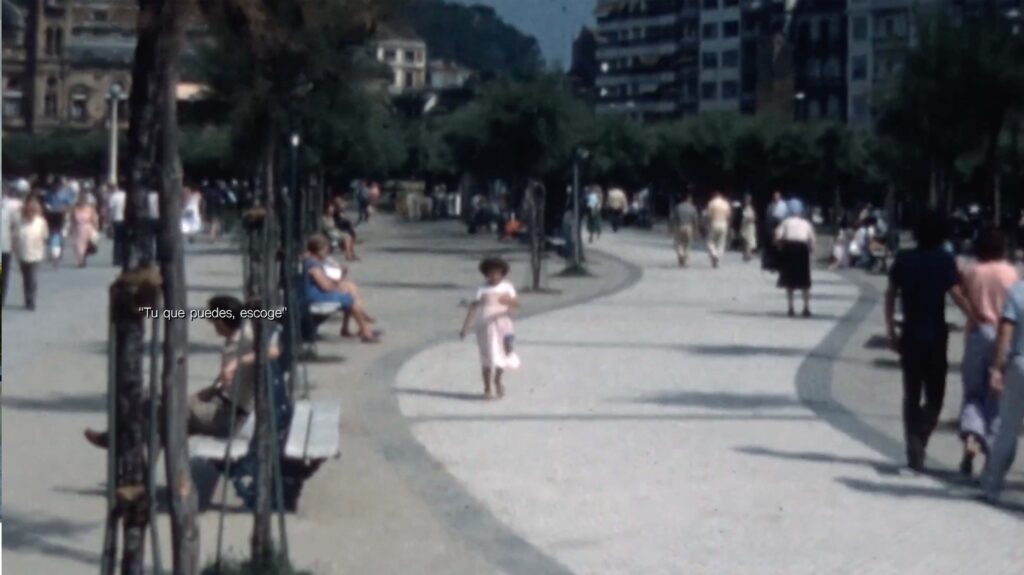
Memory offers us a basis on which to recognise ourselves, but how can we remember something that nobody talks about? Through archive images provided by Tabakalera, Elias Querejeta Cinema School and the Basque film library, Isa Sáez talks to her grandmother about the taboos of their relationship.
SNAP
Chile, 17.45 min
director: Felipe Elgueta & Ananké Pereira
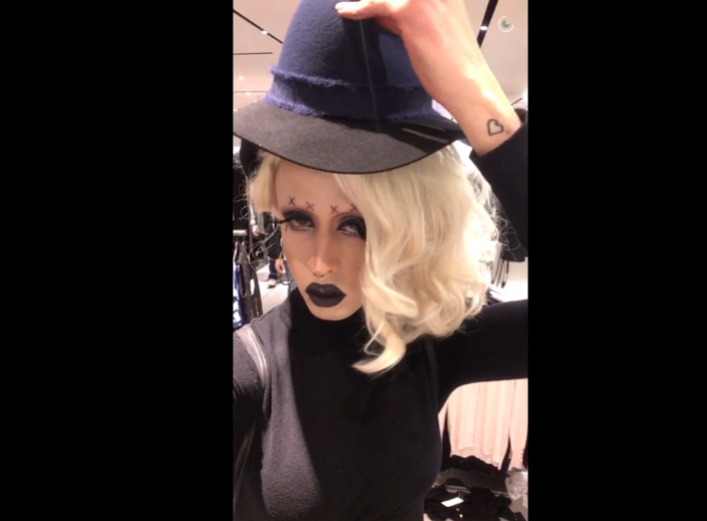
We’ve learned to communicate in 15 seconds. Private life is exposed publicly with the hope that it will disappear after 24 hours, but it is in this exposure that a field of resistance and existence is created. Snap recovers these ephemeral moments on the social network of various people to accompany them in their intimacy, in their lives, in celebrating their difference.
